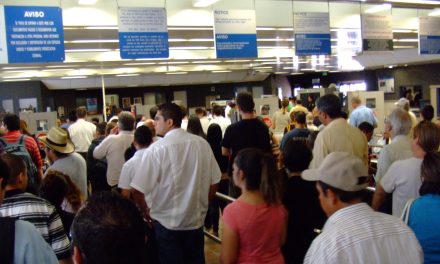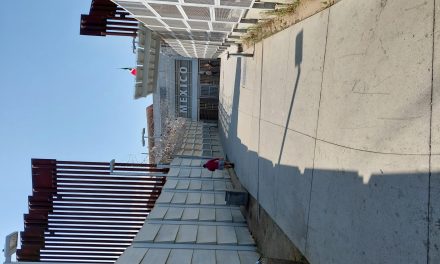
Every year, tens of thousands of Americans cross the Southern California border to seek dental care in Tijuana. Driven by skyrocketing US dental fees, lack of adult dental insurance coverage, and the proximity of San Diego, Tijuana has evolved into one of the world’s foremost centers for restorative, cosmetic, and implant dentistry. However, successful dental travel requires objective information, clear cost transparency, and verifiable credentialing.
This comprehensive guide details the real costs of dental procedures in Tijuana versus the United States, outlines step-by-step verification standards using official Mexican government registries, and provides practical advice for planning a seamless cross-border dental visit.
| Procedure | Average US Cost (ADA Benchmark) | Average Tijuana Cost | Estimated Patient Savings |
|---|---|---|---|
| Single Dental Implant (Post, Abutment & Crown) | $3,500 – $5,500 | $1,200 – $1,800 | 60% – 70% |
| All-on-4 Full Arch Dental Implants (Fixed) | $25,000 – $35,000 | $8,000 – $12,500 | 65% – 70% |
| Porcelain / Zirconia Crown | $1,200 – $2,000 | $350 – $550 | 70% – 75% |
| Porcelain Veneer (Per Tooth) | $1,300 – $2,500 | $350 – $500 | 70% – 75% |
| Root Canal (Molar) | $1,000 – $1,600 | $250 – $400 | 70% – 75% |
| Deep Cleaning / Scaling (Per Quadrant) | $200 – $350 | $50 – $90 | 70% – 75% |
| Surgical Extraction (Wisdom Tooth) | $350 – $650 | $120 – $200 | 65% – 70% |
Why Is Dental Care Significantly Cheaper in Tijuana?
A common misconception among first-time patients is that lower prices imply lower clinical standards, inferior materials, or outdated facilities. In reality, the 60% to 75% price difference is driven almost entirely by systemic macroeconomic factors:
- Lower Real Estate & Operational Overhead: Commercial rent, clinical facility lease rates, and administrative staff wages in Baja California are a fraction of Southern California rates.
- Absence of Astronomical Student Debt: In Mexico, medical and dental education at public universities (such as the prestigious Universidad Autónoma de Baja California – UABC) is government-subsidized, meaning Mexican dentists graduate without the $300,000 to $500,000+ student loan burdens typical of US graduates.
- Lower Malpractice Insurance Premiums: Due to differences in civil tort structures, annual professional liability insurance costs for dentists in Mexico are dramatically lower than in the US, where liability premiums represent a major overhead pass-through to patients.
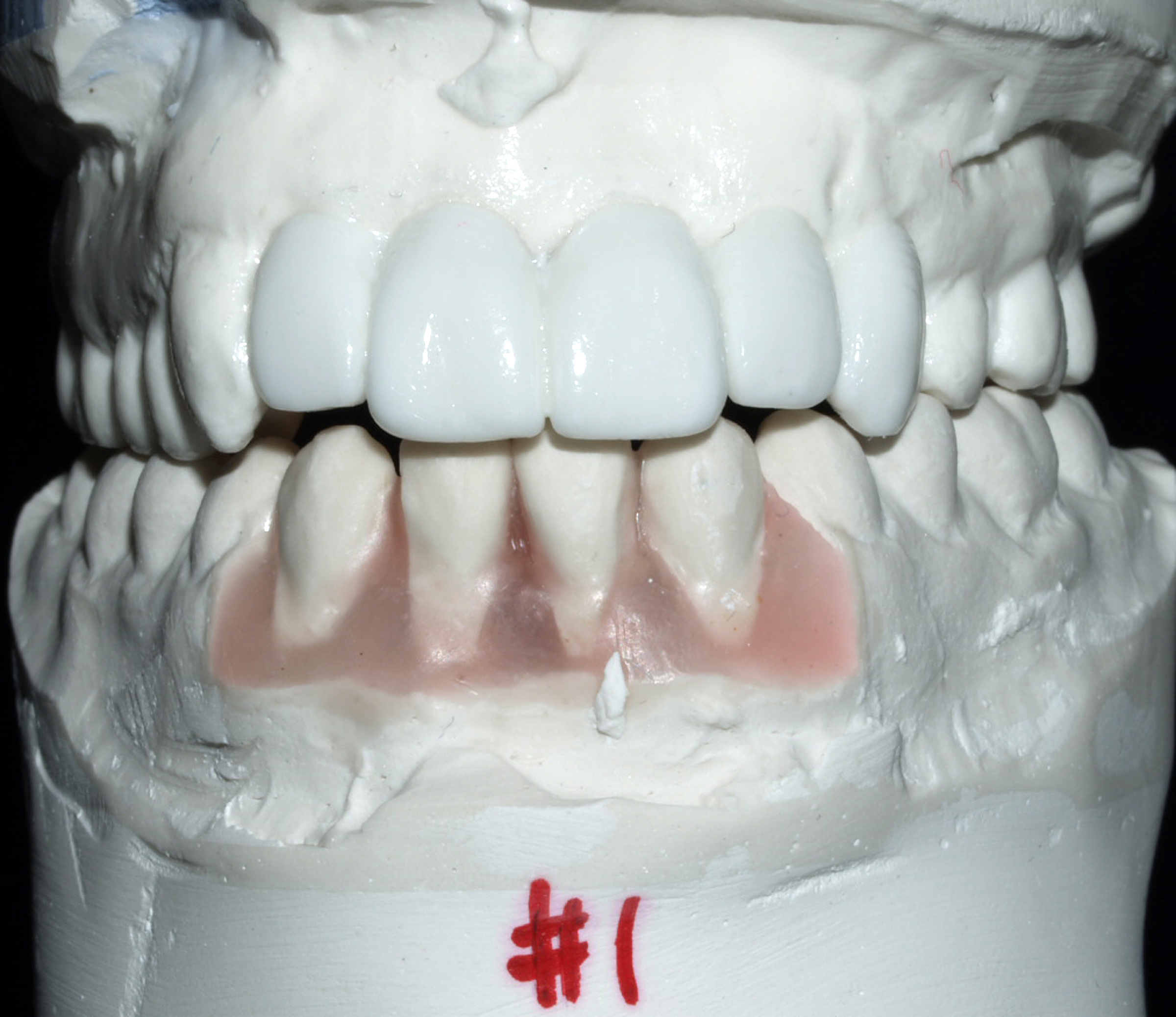
- Equal Material Quality: Top-tier clinics in Tijuana utilize the exact same FDA-approved materials, titanium implant brands (such as Nobel Biocare, Straumann, and Zimmer Biomet), and CAD/CAM 3D milling units (such as CEREC and Zirkonzahn) used in high-end US practices.
How to Verify a Tijuana Dentist’s Credentials (Official Step-by-Step)
According to the U.S. Centers for Disease Control and Prevention (CDC) guidelines on dental tourism, patients should independently verify a practitioner’s licensing and credentials rather than relying solely on marketing claims. In Mexico, medical and dental credentials are fully transparent and accessible through public federal records.
1. Request and Check the “Cédula Profesional”
Every licensed dentist in Mexico is issued an official Cédula Profesional (Professional License Number) by the federal Ministry of Public Education (Secretaría de Educación Pública – SEP). Specialists—such as periodontists, endodontists, and oral maxillofacial surgeons—hold a secondary specialty cédula.
You can verify any practitioner directly using Mexico’s official federal portal: Registro Nacional de Profesionistas (sep.gob.mx). Simply enter the dentist’s first and last names to review their degree title, university, and year of licensure.
2. Look for National and International Board Affiliations
Reputable Tijuana dental practices actively maintain affiliations with recognized professional bodies:
- ADM (Asociación Dental Mexicana): The national dental organization recognized by the World Dental Federation (FDI). Member dentists agree to strict clinical and ethical bylaws.
- Colegio de Cirujanos Dentistas de Tijuana (CCDT): The official local chapter ensuring regional continuing education compliance.
- International Memberships: Many top specialists hold affiliate memberships in the American Dental Association (ADA), the International Congress of Oral Implantologists (ICOI), or the American Academy of Cosmetic Dentistry (AACD).
3. Confirm In-House Technology & Cleanliness Protocols
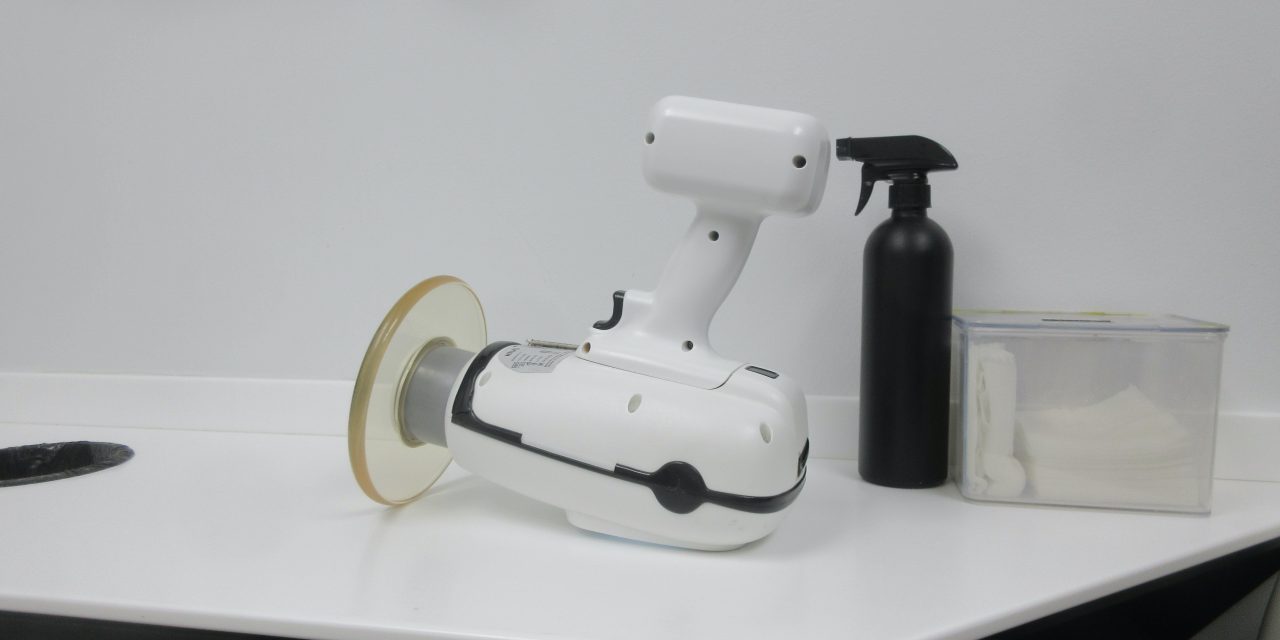
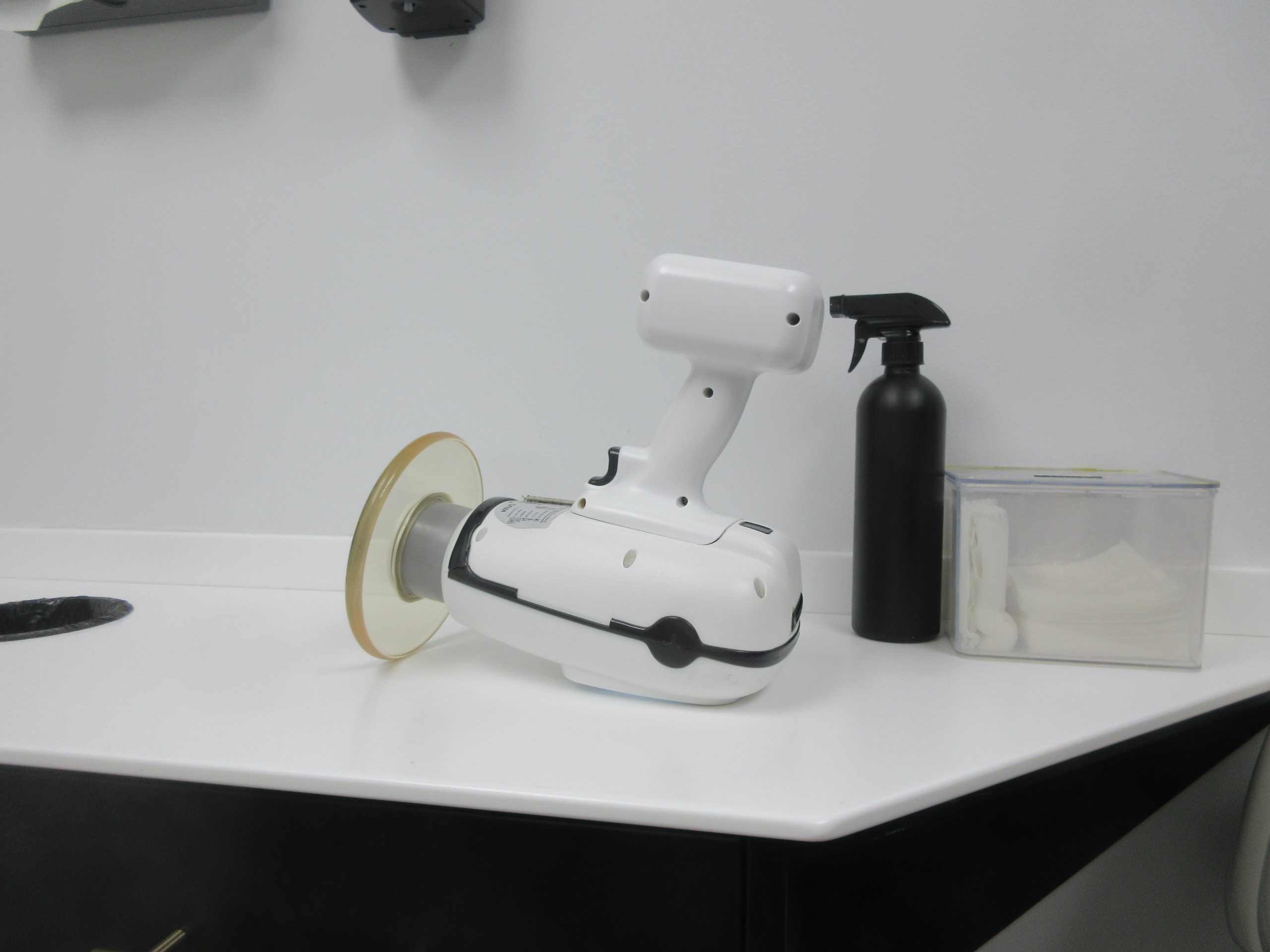
Modern clinics serving international patients typically feature on-site 3D Cone Beam Computed Tomography (CBCT) scanners for precise implant mapping, digital intraoral 3D scanners (replacing uncomfortable putty impressions), and dedicated autoclave sterilization units with regular biological spore-testing documentation.
Where Are the Best Dental Clinics Located?
While dental offices exist throughout the city, international patients predominantly visit clinics concentrated in two secure, accessible business and healthcare corridors:
Zona Río (The Premier Healthcare Corridor)
Located just 5 to 7 minutes from the San Ysidro border crossing, Zona Río is Tijuana’s modern financial and medical district. It features full-service hospitals, dental towers (such as NewCity Medical Plaza), international hotel chains (Grand Hotel Tijuana, Marriott, Quartz Hotel), and dozens of upscale cafes and restaurants along Paseo de los Héroes.
Zona Centro / Avenida Revolución
For day-trippers walking across the pedestrian border at PedWest or PedEast, several historic and established dental practices are located along Calle 2da, Calle 3ra, and Avenida Revolución, easily accessible by a brief $5 Uber ride or a 15-minute walk.
Planning Your Dental Trip: Practical Logistics
Initial Consultations & Digital Estimates
Most reputable clinics offer preliminary virtual evaluations. Patients email existing panoramic X-rays or treatment plans from their US dentist, and the clinic provides an itemized estimate outlining anticipated costs, required visits, and timeline. Note: The final treatment plan is confirmed upon in-person clinical examination and fresh 3D imaging.
Payment Methods & Currency
Tijuana dental clinics catering to US visitors operate almost entirely in US Dollars (USD). Major credit cards (Visa, MasterCard, and frequently American Express) are widely accepted, though some clinics offer a 3% to 5% courtesy discount for cash or cashier’s checks. Wire transfers and financing options (such as United Medical Credit) are also common for major full-mouth restorations.
Border Crossing & The Medical Fast Pass
Driving to your appointment? Ask your dental provider if they issue the official municipal Medical Fast Pass (FastLane). Participating clinics in Tijuana can provide you with a single-use barcode voucher that grants access to the dedicated Fast Pass vehicle lane at the San Ysidro border, reducing return wait times from 2–3 hours to under 45 minutes. For complete route details and eligibility rules, read our dedicated guide: The Tijuana Medical Fast Pass: How to Get It, Use It, and Cut Border Wait Times.
Frequently Asked Questions
Will the dentist and clinic staff speak English?
Yes. Clinics located in Zona Río and downtown Tijuana that cater to American patients employ fluent, bilingual dentists, dental assistants, and patient coordinators. You will not need a translator for consultations or treatment reviews.
Can I use my US dental insurance in Tijuana?
While Mexican dental clinics do not directly bill US HMO plans, many clinics will assist you with filling out the standard ADA Dental Claim Form (itemized with standard ADA procedure codes) so you can submit it to your US PPO dental insurance provider for direct out-of-network reimbursement.
How many visits are required for dental implants?
Standard single implants typically require two distinct visits: the surgical placement of the implant post and bone graft (Visit 1), followed by a 3 to 4-month healing period (osseointegration), and finally the placement of the permanent abutment and porcelain crown (Visit 2). For full-arch All-on-4 restorations, temporary immediate-load acrylic bridges are placed on Day 1, with permanent zirconia hybrid arches fitted several months later.
Are prescriptions given by Tijuana dentists valid?
Tijuana dentists prescribe necessary antibiotics, anti-inflammatories, and pain relief medications following surgical procedures. These can be filled at reputable licensed pharmacies throughout Zona Río or Downtown. Under US CBP guidelines, prescription medications for personal use may be brought back into the US if declared upon arrival.
Official Sources & References
- American Dental Association (ADA) Health Policy Institute (HPI): Survey of Dental Fees — Benchmark data on standard dental procedure costs across private practices in the United States. ADA Health Policy Institute.
- U.S. Centers for Disease Control and Prevention (CDC): Travelers’ Health: Medical Tourism & Dental Care Abroad — Guidance on infection control, pre-travel planning, and verifying foreign healthcare credentials. CDC Travelers’ Health.
- Secretaría de Educación Pública (SEP) — Dirección General de Profesiones: Registro Nacional de Profesionistas — Official Mexican federal verification portal for licensed dentists and medical specialists. sep.gob.mx.
- Asociación Dental Mexicana (ADM): Colegio Nacional de Cirujanos Dentistas — National dental association standards, code of ethics, and continuous education accreditation in Mexico. adm.org.mx.
- Secretaría de Desarrollo Económico de Tijuana (SEDETI): Programa Pase de Cruce Ágil a Usuarios de Servicios Médicos — Municipal medical tourism program and border crossing FastLane requirements. Ayuntamiento de Tijuana.